Wellness Retreats
Hamptons Yoga Studio + Cannabis Overlap, the Post-Class Wind-Down
East End yoga studios and the cannabis-aware consumer adults 21+ overlap in a specific way. Here is the post-class wind-down template, with no medical claims and careful dosing.
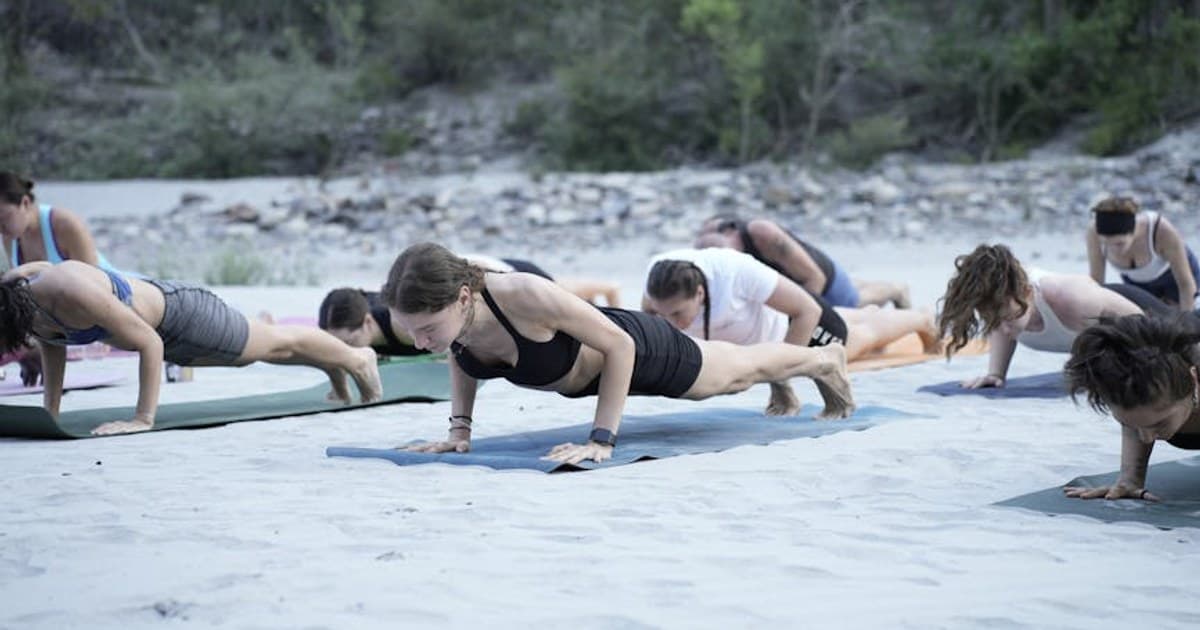
Photo by Bali Yog Shala on Pexels
The East End has a dense yoga ecosystem for a region with a winter population that would fit in a handful of Manhattan co-op buildings. Yogaspark in Southampton, Sag Harbor's boutique studios, Amagansett's seasonal offerings, and the Hamptons-circuit drop-in scene run a year-round schedule that spikes hard in summer. Some of the studio clientele also consumes cannabis. The cannabis-aware post-class rhythm for adults 21+ is a quieter, low-dose pattern that does not overlap with the class itself.
The frame first: no medical claims. Cannabis is not a recovery protocol, it is not a stretching aid, it is not a yoga accessory. The practice is the practice. What happens after class is a separate question.
The Studio Landscape
Yogaspark in Southampton runs a year-round schedule focused on heated Vinyasa and Barre. The vibe skews performance-forward. Sag Harbor has its own boutique studios, varying in style and intensity, some seasonal. Amagansett and East Hampton have drop-in options that expand in summer with visiting teachers from Brooklyn and Manhattan running pop-up workshops. Shelter Island has a small but loyal year-round yoga community that runs out of donation-based shala spaces.
The East End clientele varies by studio. Southampton's studios draw a more weekend-intensive crowd, Sag Harbor's draw the year-rounders and the writer-artist contingent, Amagansett's seasonal classes draw the share-house set. Each has its own rhythm.
Cannabis Before Class: A Caution
The short version: consumption before a heated Vinyasa class at 9:00 AM is not a combination most experienced teachers endorse. The physiological load of a 95-degree room and a sixty-minute flow is already meaningful. Adding a psychoactive reduces the consumer's ability to read signals from the body, which is exactly the feedback the practice relies on.
Some consumers describe a micro-dose, 1 to 2 mg, before a gentle restorative class as complementing the mood without overwhelming it. This is a subjective note. Most studios will not ask and most teachers do not want to know. Read your own body, know your own tolerance, and err quiet.
The Post-Class Window
The more interesting overlap is post-class. A 10:30 AM Saturday class ends, the body is warm, the mind is clear, and the day opens. A 2.5 mg THC seltzer on the deck at noon, after a shower and a light meal, is the dose some consumers describe as extending the post-practice calm into a longer afternoon. Not a medical claim. An observed rhythm.
The format choice matters. Seltzers pace short, edibles pace long, flower paces in between. For a post-class afternoon that plans to run into a beach walk, a seltzer is the lighter footprint. For a rest day at the house, an edible lets the afternoon stretch.
The Sunday Night Wind-Down
The cannabis-aware yoga weekend often lands hardest on Sunday evening. A Sunday afternoon restorative or Yin class at 4:00 PM, followed by a dinner at the house at 7:00 PM, followed by an early bed, is a rhythm the year-rounders run all winter. A low-dose edible at 6:00 PM rides through the dinner and tapers by 10:00 PM. Some consumers describe this kind of Sunday-night arc as the weekend's best sleep setup. This is a subjective report. Sleep is individual, responses vary, and no medical claim is attached.
The Workshop Weekend
Summer brings visiting teachers and weekend workshops. A Friday-through-Sunday workshop at a Sag Harbor or Amagansett studio can be four to six hours of practice per day. The cannabis-aware workshop attendee keeps consumption out of the practice hours entirely and saves any dosing for the evening wind-down. A 2.5 mg seltzer after Saturday's long afternoon session, a longer edible on Sunday evening when the workshop is closing, and nothing in between.
The Community Overlap
Some yoga students consume, some do not, some are fully sober. The East End yoga community is not uniformly anything. The etiquette overlay: cannabis does not come into the studio, does not come to the post-class smoothie bar, does not show up in the shared car. Consumption is private-property, back at the house, for the consumer.
Licensed-Retailer Check
Low-dose seltzers and gummies should have come through a licensed New York dispensary. Verify licensed status via the OCM QR code at cannabis.ny.gov. The wellness framing of a product does not override the verification step. Unlicensed wellness-branded product exists and the OCM QR is the shortcut to avoiding it.
The Long Frame
Yoga and cannabis both have long histories of being claimed as therapies, and both deserve the same careful framing: they are practices and substances, respectively. The overlap for adults 21+ on the East End is a lifestyle overlap, not a clinical one. The practice is the practice. The consumption is the consumption. The cannabis-aware weekend keeps them paced separately, with the consumption landing in the evening after the body has finished its work.
Compliance, Quickly
- Adults 21+ only.
- No medical claims. Yoga is a practice and cannabis is a lifestyle choice for adults.
- Consumption is private-property only. No consumption at the studio or in the parking lot.
- Verify licensed status via the OCM QR code at cannabis.ny.gov.
- Start low, go slow. Post-class doses run 2.5 to 5 mg for most consumers.
- Licensed retailers only.
Where to Go Next
- Hamptons Yoga Cannabis Retreat Weekend
- Hamptons Wellness Retreats Cannabis
- Hamptons Cold-Plunge + Sauna Cannabis Weekend
*This is editorial, not legal advice. Always verify current cannabis laws at cannabis.ny.gov.*